EXTENSIONS IN THE NEW FOREST

February 9, 2026

EXTENSIONS IN THE NEW FOREST. WHAT DO I NEED TO KNOW ABOUT PLANNING?
Planning an extension within the New Forest National Park can be notoriously tricky. So what are the rules, and where do they apply?


Based in Salisbury, Esdon Architecture is just a few miles from the edge of the New Forest, and as a practice we’ve been fortunate to work on a number of renovations and extensions within the National Park over the years. While every project is different, there are some key principles that homeowners should understand before getting started.


The 30% Rule

As a general rule (and, as always, there are exceptions), extensions within the New Forest National Park (NFNP) are limited to 30% of the existing habitable floor space.

Crucially, “existing” doesn’t necessarily mean what’s there today. Habitable floor space is assessed as:

  • the size of the property as it existed on 1 July 1982, or
  • if the property was built after that date, as originally constructed.

This can make designing an extension feel a bit like a game of Tetris. When space is at a premium, every square metre matters, and careful planning is essential to make the most of the allowance.


Small Dwellings

If a property has an existing floor area of less than 80m², it is classed as a 'small dwelling'. In these cases, extensions are restricted so that the total floor space cannot exceed 100m², regardless of the 30% calculation.


Village Exceptions

An important exception to the 30% rule applies to properties located within one of the four main New Forest villages:

  • Ashurst
  • Brockenhurst
  • Lyndhurst
  • Sway

In these locations, larger extensions may be permitted, subject to normal planning considerations such as design, scale and impact on neighbouring properties.


Further Guidance

More detailed guidance — including additional exemptions — can be found in the New Forest National Park Authority’s Planning Information Leaflet: Domestic Extensions and Replacement Dwellings (January 2022), available via the NFNPA website.

01160-Planning-info-leaflet-domestic-extensions-and-replacement-dwellings-REVjan2022-TO-WEB.pdf


A Recent Project

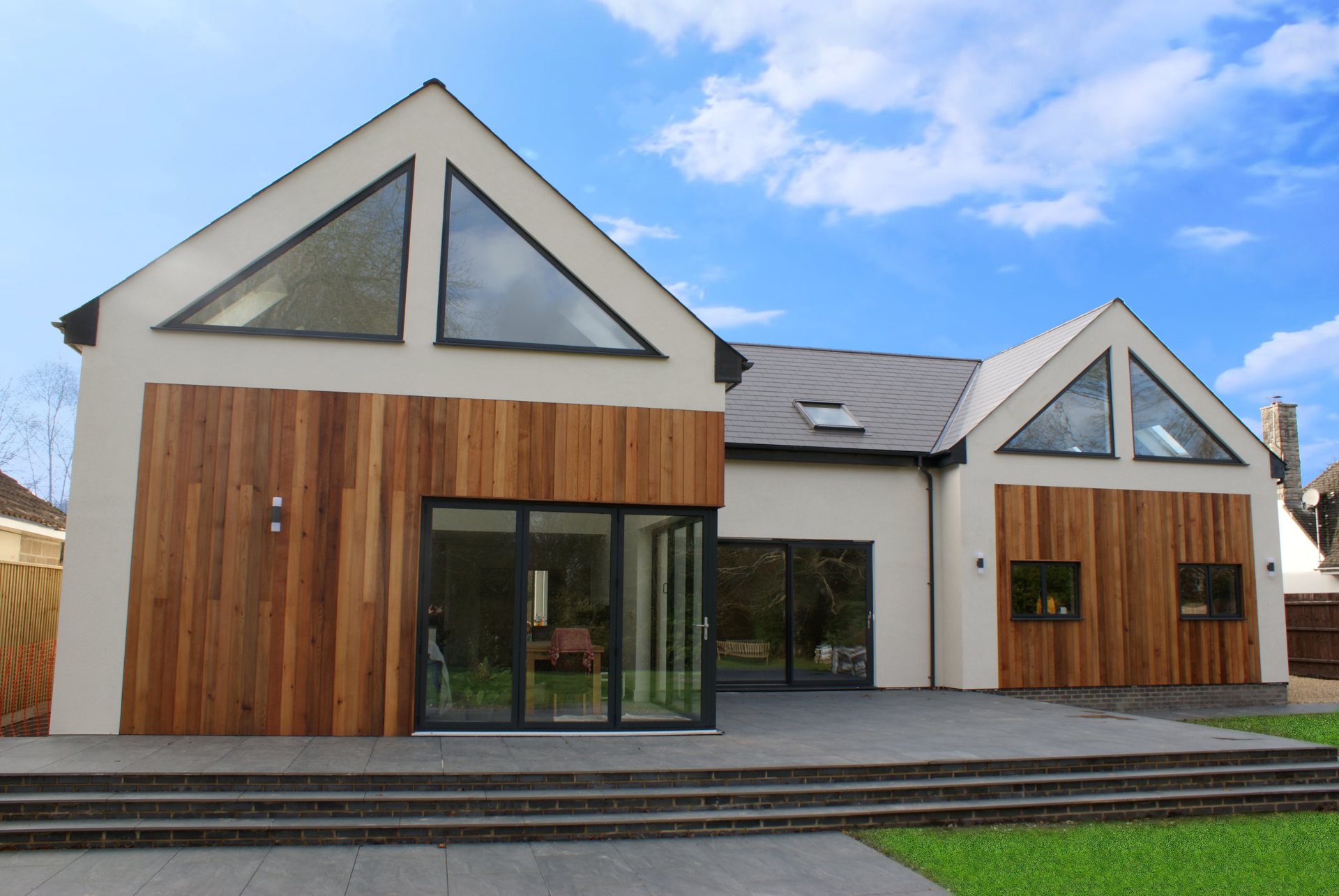
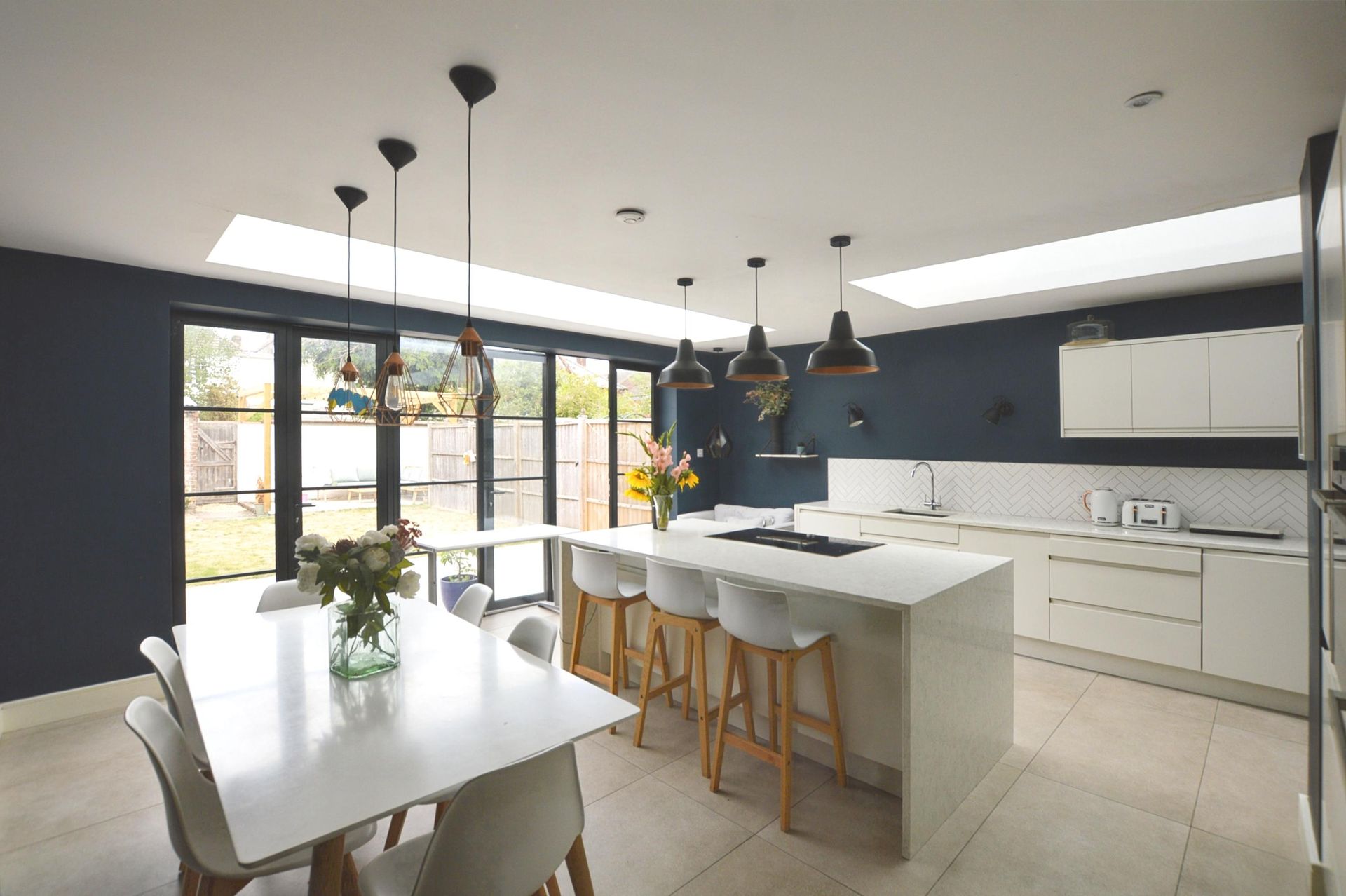
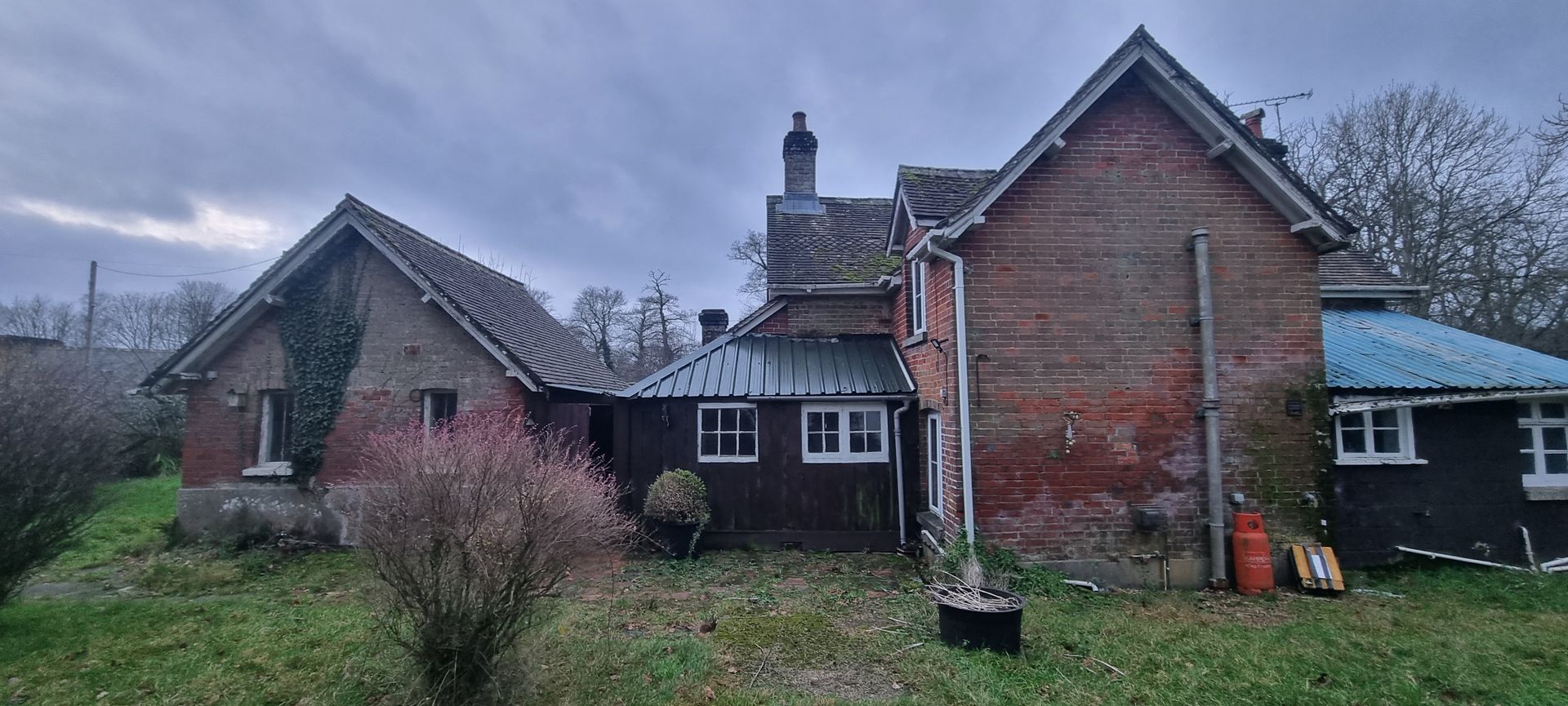
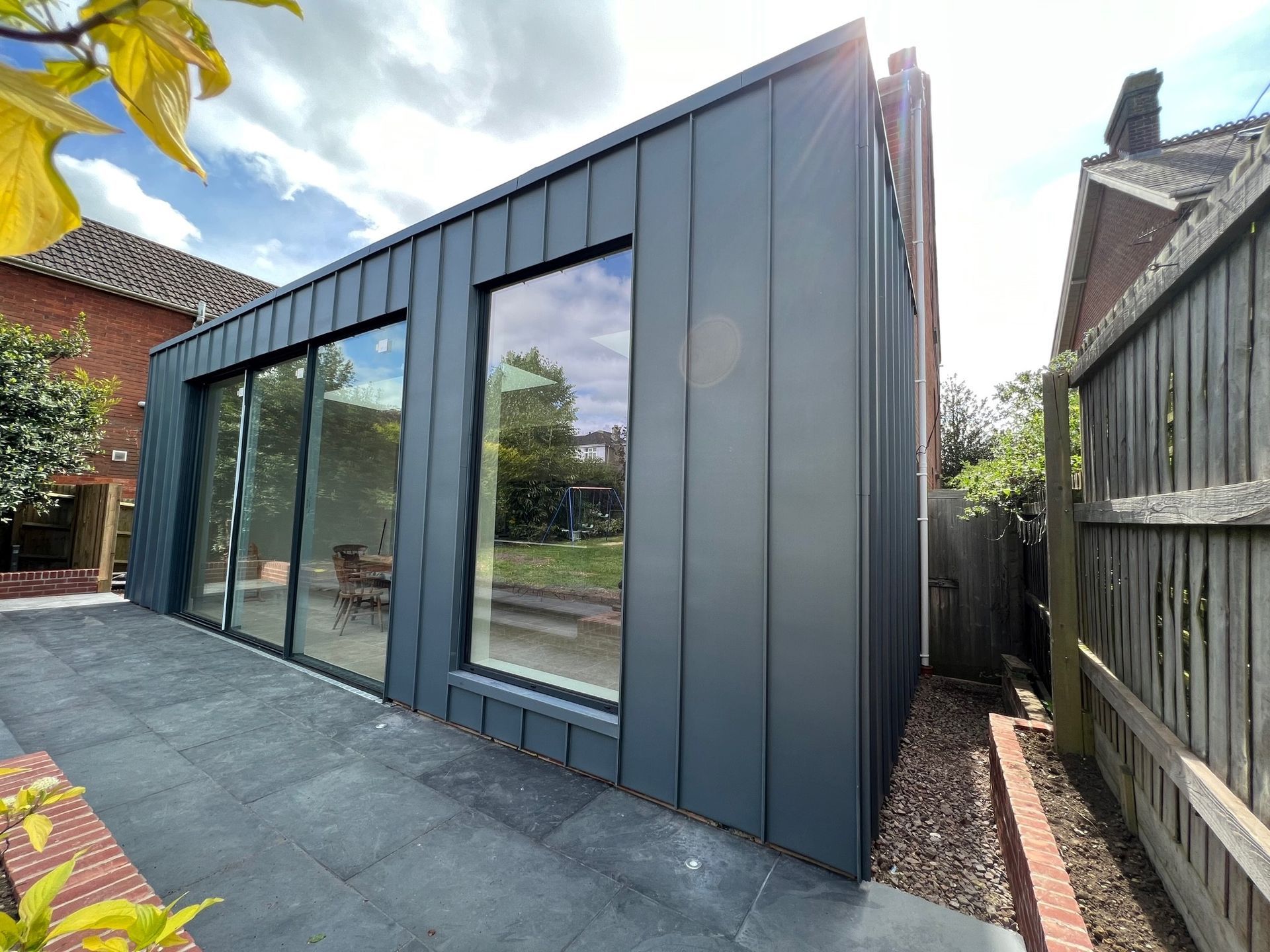
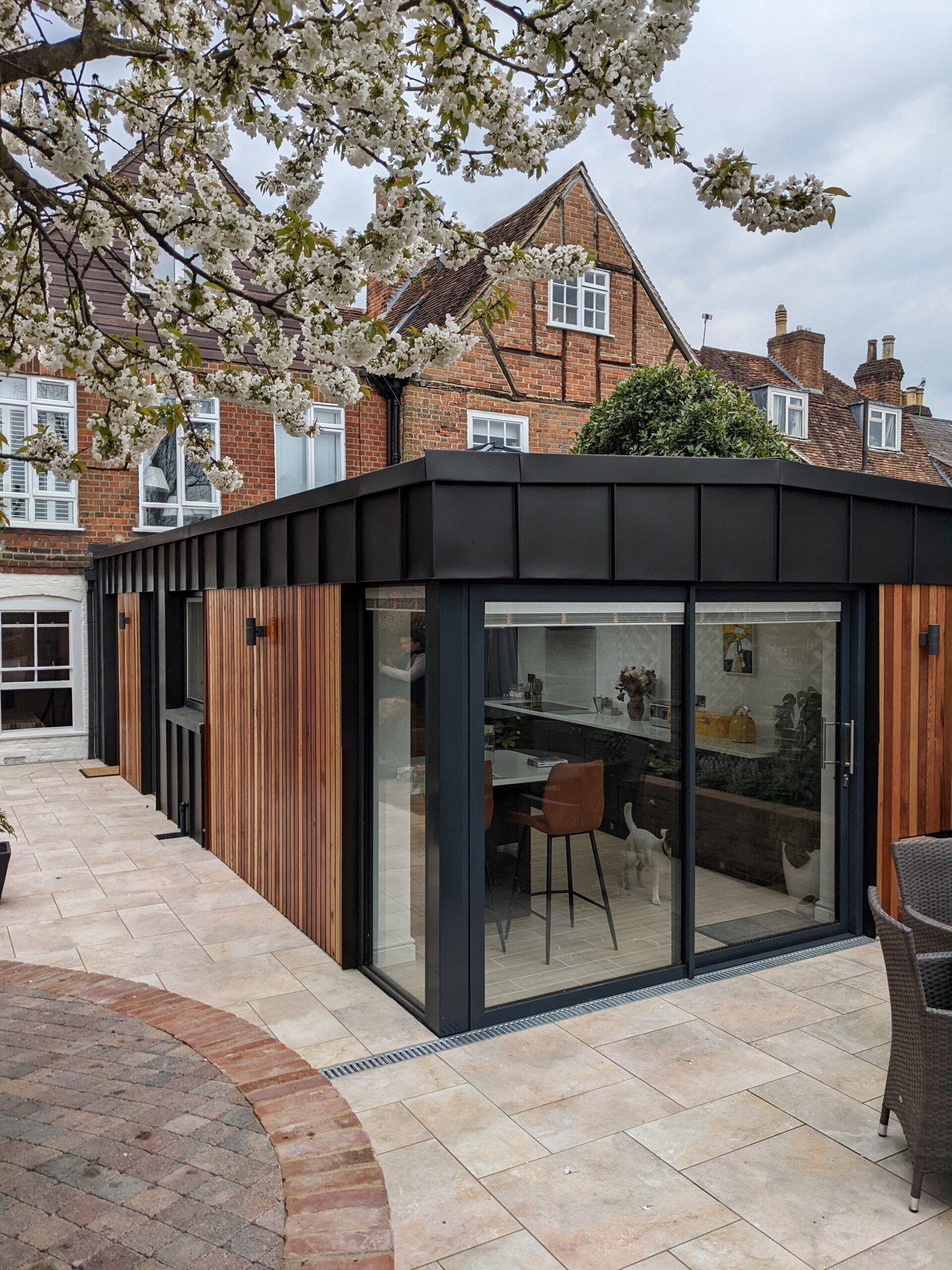
This summer, we were delighted to secure planning permission for clients who had purchased a traditional but uninhabitable cottage just within the National Park boundary. The approved scheme creates new upstairs bedrooms, a family bathroom and ensuite, alongside a ground-floor extension to form a modern family living space — all while carefully working within the planning constraints of the NFNP. Works are now underway on site, with completion scheduled for summer 2026.


Planning an extension in the New Forest?

Get in touch with the team at Esdon Architecture and we will be happy to chat through your proposals.
Contact Us
November 29, 2024
OUR LITTLE BLACK BOOK
June 14, 2024
Navigating Modern Living Needs in Listed Homes
June 29, 2023
ARCHITECTURAL APPRENTICESHIPS
February 15, 2023
SALISBURY CIVIC SOCIETY CONSERVATION AWARDS 2022
January 20, 2023
RIBA PLAN OF WORK
May 11, 2022
WHAT ARE THE KEY FACTORS TO CONSIDER ONCE YOU HAVE IDENTIFIED A SITE?
May 4, 2022
FINDING A BUILDING PLOT
April 5, 2022
TOP TIPS TO BEAT THE BILLS
November 18, 2021
What does it mean for buildings new and old?
By Katy Esdon August 4, 2020
We bought our house in Salisbury in July 2015, about three months after we found out we were expecting our eldest son. The house was derelict, and although we are in the industry, actually living on a building site certainly came as a surprise. It has however put us in a great position to dish out advice on the subject. Here are a few of our top tips to living through your renovation: 1. Move out if you can. Not necessarily for the entirety of the build, but definitely for the most disruptive bits. Better still, go on holiday for a few weeks. Sound a bit defeatist? Maybe, but it is the easiest option by far. This is particularly key if your project will mean that you lose the use of your kitchen or bathroom for any time. Our own renovation has been done in stages, some of the time was have lived there, and some of the time we have lived elsewhere, and living away helps keep those stress levels down. Keep visiting site to check on progress of course, but live away if you can; 2. If living away isn’t an option, think about how you are going to cook, wash clothes and clean yourselves. In the depths of winter we had no back wall in our bathroom (or kitchen for that matter, see images below) which made for hideously chilly, and not very private toilet trips. Is it possible to relocate your kitchen or bathroom during the building work? We were able to temporarily relocate our old kitchen to the dining room, at minimal cost, whilst the kitchen was out of action. No such luck with the bathroom, but having a working kitchen at least made the house liveable; 3. Don’t try to do too much yourselves. We took out our own central heating system and re-ran the new pipes (closely supervised) in the interest of saving a few pounds. It was fun, but it took us a long time and without doubt slowed down the whole process. It would have been quicker to pay someone else to do it. Think of this piece of advice especially when it comes to decorating, doing your own painting may seem like an easy, cost efficient thing to do, but the finish you’ll get from a professional job will be worth its weight in gold; 4. In the same sentence, don’t have anything painted until all the building work is finished. Brick and plaster dust get everywhere! The temptation to paint any room as soon as it’s finished is strong, but try your hardest to resist. There is nothing worse than beautifully decorating your front room, only to have brick dust to ruin the whole thing. It will double the job as you’ll have to do it all again. The same also applies to laying new carpets. Trust us, here speaks the voice of experience. Finally (and perhaps most obviously); 5. Don’t bring home your brand new puppy at the same time you embark on a huge extension!! You would think this is a given, but some people (I’m looking only at ourselves on this one) need telling. House training a puppy whilst trying to keep her off of a building site is not easy. Stay away….