WHAT HAPPENS IF YOUR NEIGHBOURS OBJECT TO YOUR PLANNING APPLICATION
WHAT HAPPENS IF YOUR NEIGHBOURS OBJECT TO YOUR PLANNING APPLICATION?
Embarking on plans for a new home, extension or renovation is an exciting time, but what happens if your neighbours object?
A neighbour opposing your plans can be one of the most stressful parts of the planning process. You might worry that an objection will automatically lead to refusal, that relationships with neighbours will become strained, or that months of planning and preparation could be wasted.
The good news is that a neighbour objecting to your planning application doesn't automatically mean your plans will be refused.
Understanding how objections are considered, what you can do to address concerns and when professional advice can help will put you in a much stronger position.
Here's what you need to know.
Can my neighbours stop my planning application?
In short, no — not simply by objecting.
Neighbours (and other interested parties) have the opportunity to comment on planning applications. The local planning authorities must then consider relevant planning issues raised within these comments when reaching their decision. However, the final decision rests with the planning authority, not with the neighbours themselves.
The number of objections received does not in itself determine the outcome. Instead, planners consider the proposals against the relevant planning policies and material planning considerations.
Even if several neighbours object, your application may still be approved as long as the proposed development is considered acceptable in planning terms.
(Equally, an application with few or no objections can still be refused if it conflicts with relevant planning policies).
The important thing is not how many people object, but what their objections are about.
What can neighbours object to?
Neighbours may raise concerns about a range of issues relating to your proposed development. Some may be relevant to the planning decision, while others may not carry significant weight.
Common planning-related objections include:
- Loss of privacy: Concerns that new windows, balconies or elevated outdoor spaces could create overlooking.
- Loss of daylight or sunlight: Objections that an extension could significantly affect the light reaching neighbouring rooms or gardens.
- Overbearing design: Concerns that a building's height, scale or position could make an adjoining property feel enclosed.
- Appearance and design: Whether the proposal is appropriate for the existing property, street scene or surrounding area.
- Noise and disturbance: Where the proposed development or use could create a material planning impact.
- Parking and highway safety: Concerns about access, traffic or parking arrangements.
These issues will be considered in the context of the specific site, the proposed development and the applicable planning policies.
There are also concerns that would not normally be material planning considerations, such as a loss of private views, personal disagreements or a perceived reduction in property value.
Understanding this distinction is important. A neighbour may have genuine concerns, but that does not necessarily mean those concerns will justify refusing the application.
Should I speak to my neighbours before submitting an application?
Where practical, we generally encourage homeowners to consider speaking to their neighbours before submitting a planning application.
This isn't a requirement in every case, but an early conversation can help avoid misunderstandings and identify potential concerns before they become formal objections.
For example, explaining why you want to extend your home, showing your neighbours the proposed plans and discussing how the design relates to their property may help them understand the project. It can also give you an opportunity to identify potential issues that could be addressed through design adjustments, before making your initial planning submission.
It is important to remember that you don't need your neighbours' approval to submit a planning application, and consulting them does not guarantee that they won't object.
If you anticipate a difficult conversation, we can assist and help explain the proposals clearly, identifying the aspects of the design most likely to raise questions.
What should I do if my neighbour objects?
If you discover that a neighbour has objected to your planning application, try not to panic or look to make immediate changes to your plans.
At Esdon Architecture, we will review any objection and establish whether it raises a material planning concern, and whether there is a practical way to address the objection.
We will discuss the concerns with the planning officer and help establish whether amendments or further information or drawings may be beneficial.
Could a minor amendment to the design alleviate your neighbours’ concern? For example, a window could potentially be repositioned, obscure glazing introduced or the scale of an extension adjusted to reduce its impact on a neighbouring property.
Not every objection will require a change, and you shouldn't feel obliged to redesign your entire project simply because someone disagrees with it.
The aim is to identify changes that would genuinely improve the proposal while retaining the key elements of your vision.
Keep communication constructive
Neighbour disputes can quickly become personal, particularly when they involve homes and long-standing relationships.
Try to keep conversations calm and focused on the practical issues. You don't have to agree with every concern, but a constructive approach may help prevent unnecessary tension.
If direct communication is likely to make matters worse, it may be better to keep discussions through your Architect or other appropriate professional channels.
Can I change my plans after a neighbour objects?
Often, yes. If an objection highlights a genuine concern, amending the proposal may help address the issue and improve the prospects of securing permission.
The process for making amendments depends on the nature and extent of the changes, the stage the application has reached and the planning authority's approach. We will discuss this with the planning officer directly.
Minor amendments may sometimes be considered within the existing application, while more substantial changes may require a new application. We can advise on this. It may be that a period of re-consultation will be required.
How can Esdon Architecture help?
While no Architect can guarantee planning permission or prevent neighbours from objecting, thoughtful design can help reduce the likelihood of avoidable concerns. We aim to submit proposals that are in line with planning policy, to avoid the likelihood of any neighbour objections being upholdable planning concerns.
Considering the impact of an extension on neighbouring properties from the outset can help identify potential issues before an application is submitted.
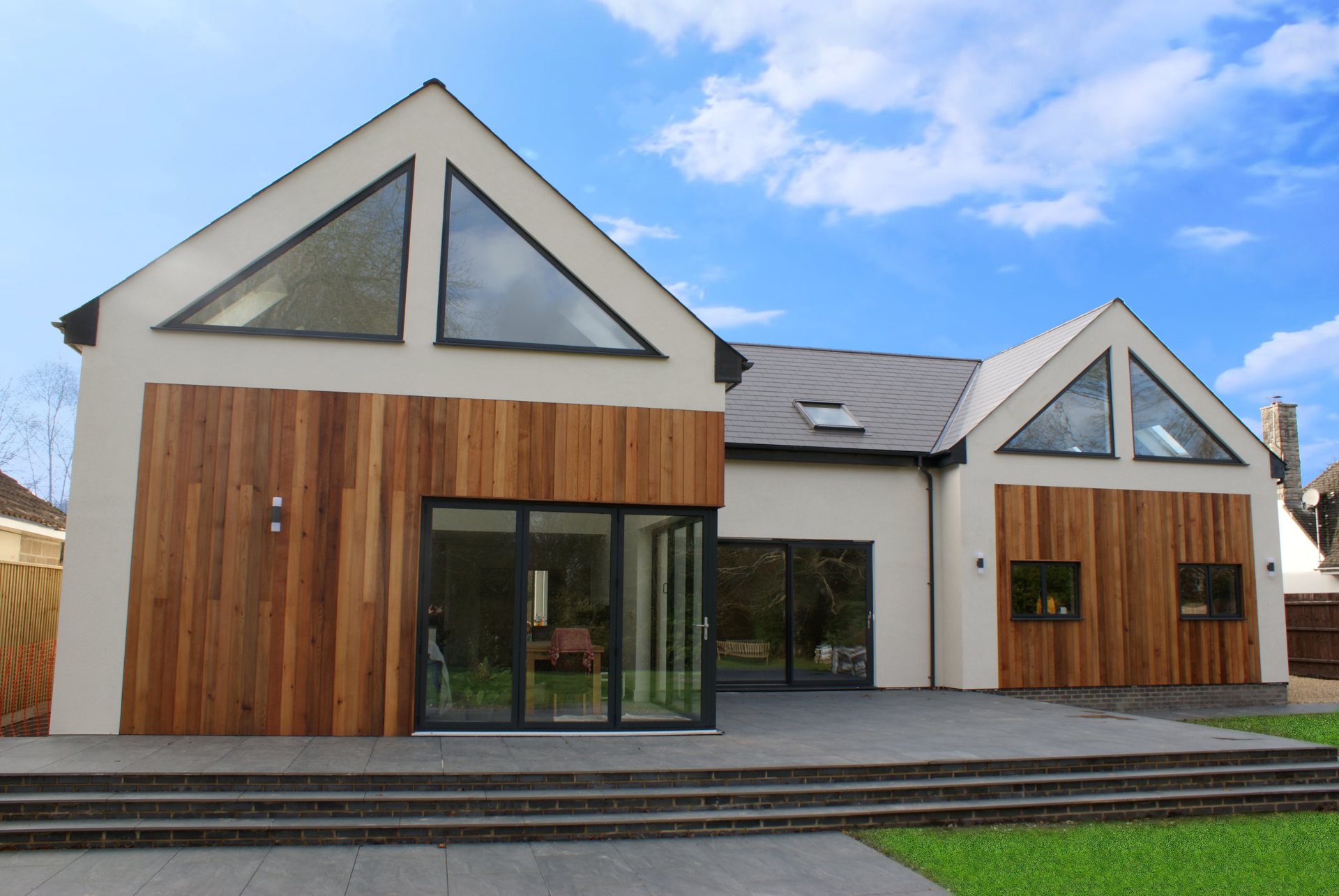
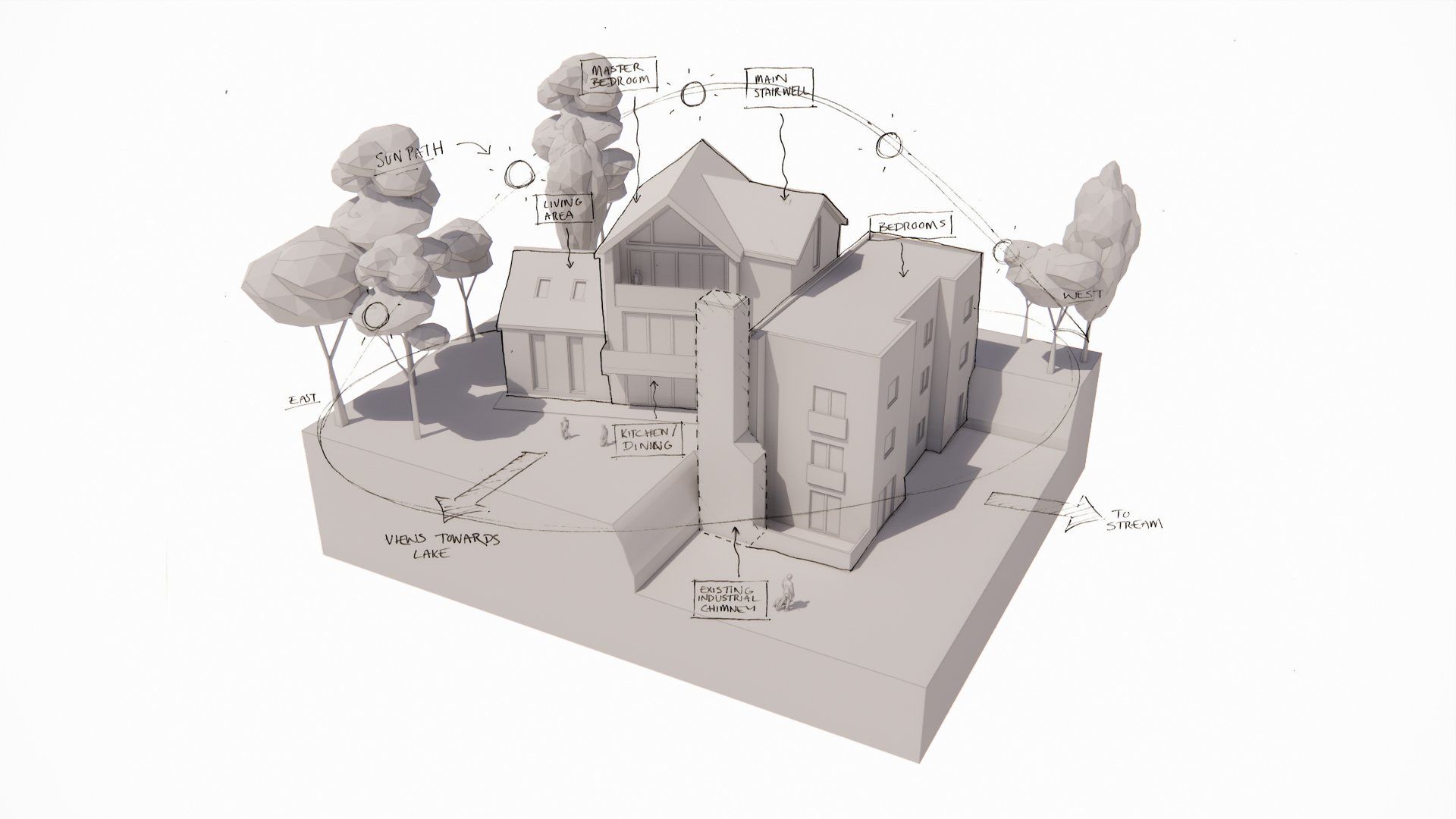
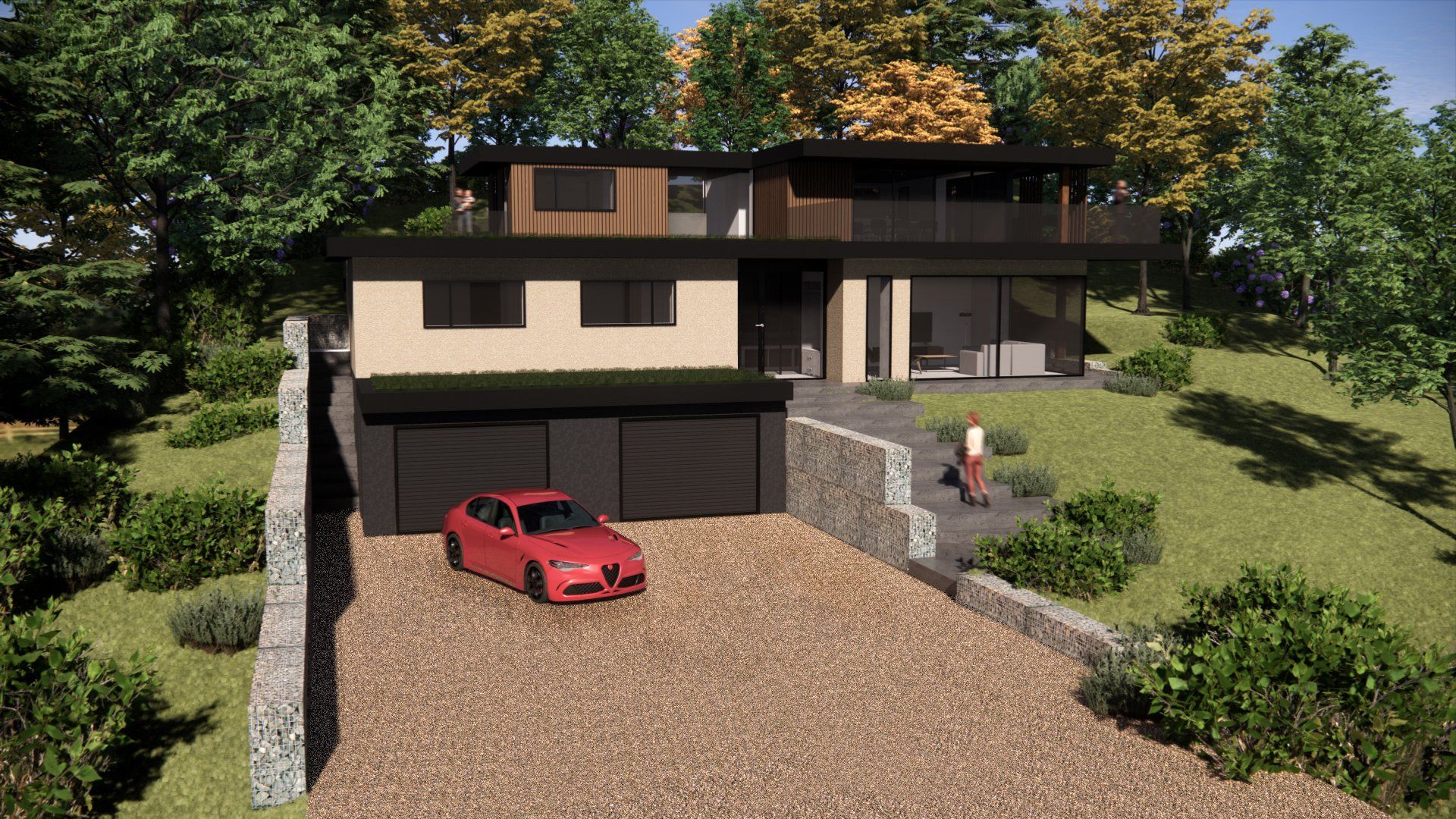
At Esdon Architecture, we believe that good design involves more than creating additional space. It's about understanding how a building works, how it relates to its surroundings and how to develop a proposal that meets the homeowner's needs while responding appropriately to its context.
By considering these factors early, it may be possible to reduce uncertainty and avoid unnecessary revisions later in the process.
At Esdon Architecture, we can help you navigate the planning process with a considered approach to design and practical advice tailored to your project.
Our focus is on helping you make informed decisions and develop a design that responds to your objectives and the specific planning context.
Esdon Architecture can help you understand your options and work towards a considered design for your home. Get in touch with us to discuss your project.